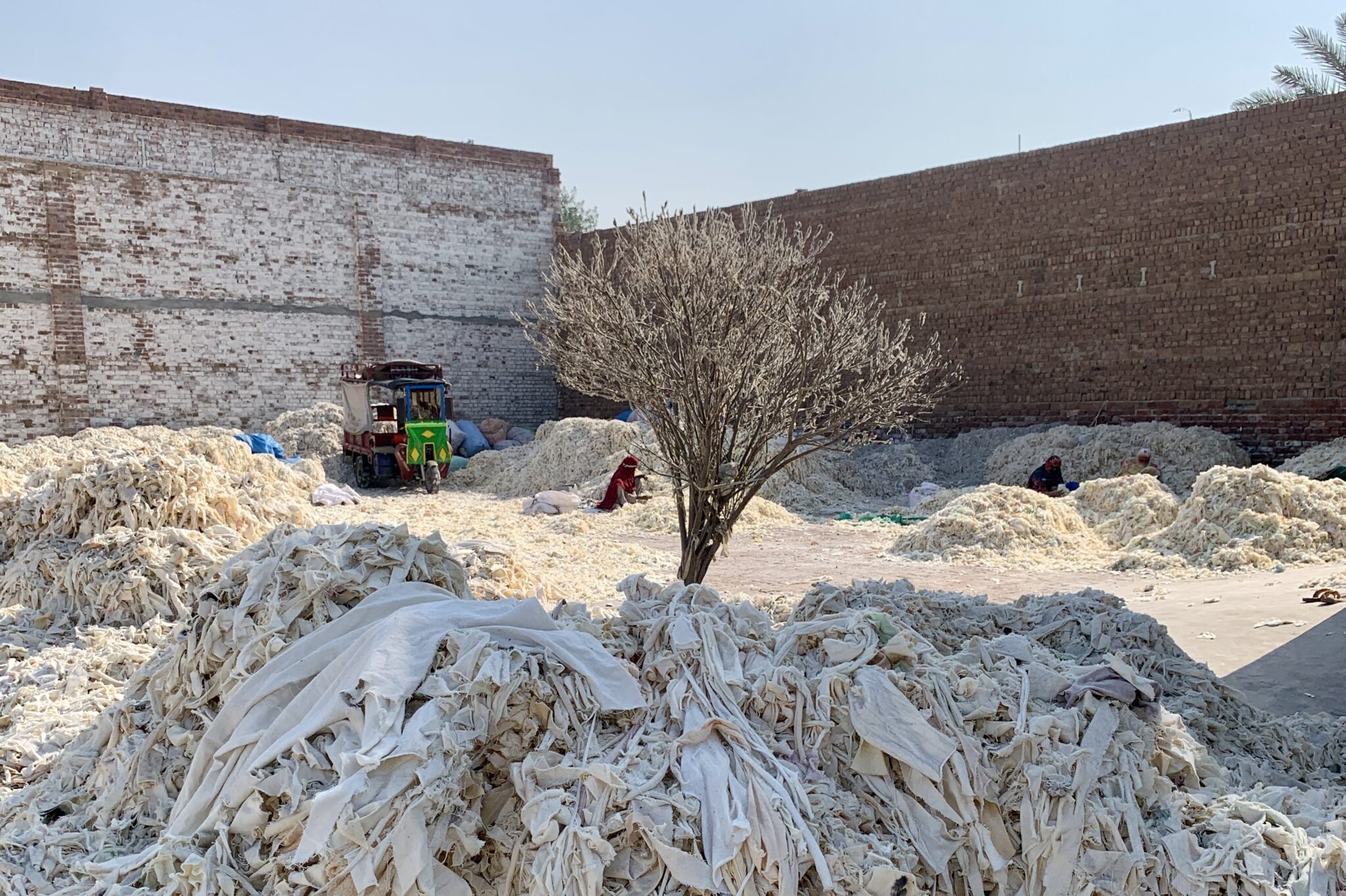
Pakistan is the world's fourth-largest cotton producer and a critical node in global garment supply chains. Yet for decades, the country's textile industry has treated its production waste as a liability rather than an asset. That narrative is beginning to shift — and the potential implications for the circular economy are enormous.
Each year, Pakistan's garment factories generate an estimated 1.2 million tonnes of post-production textile waste. Roughly half of this material ends up in landfills or is incinerated, releasing carbon emissions and squandering valuable raw materials. But as global brands face increasing regulatory pressure — particularly from the EU's upcoming Extended Producer Responsibility framework — demand for traceable, recycled textile inputs is accelerating dramatically.
The recycling ecosystem in Pakistan is young but growing. A cluster of forward-looking recyclers operating out of Faisalabad and Karachi have begun investing in mechanical recycling infrastructure, capable of processing cotton-rich cutting waste into recycled yarn. Several of these players have made early connections with European buyers seeking locally traceable recycled content, attracted by both cost efficiency and proximity to production.
The key bottleneck is not capacity — it is data. Factories rarely know how much waste they generate, what fibre compositions it contains, or where it ultimately ends up. Without this baseline information, recyclers cannot plan their operations, and brands cannot make credible circularity claims. Digital traceability tools that map waste flows from cutting room to recycler represent the missing infrastructure.
Reverse Resources has been working alongside Pakistani manufacturers and recyclers to pilot digital waste mapping across several major facilities in Lahore and Karachi. Early data from these pilots suggests that sortable, recycler-grade post-production waste accounts for between 8% and 14% of total fabric inputs — volumes large enough to support commercial-scale recycling operations. As Pakistan's sector matures and traceability infrastructure scales, the country stands poised to become one of the most important hubs for circular textile supply chains in Asia.