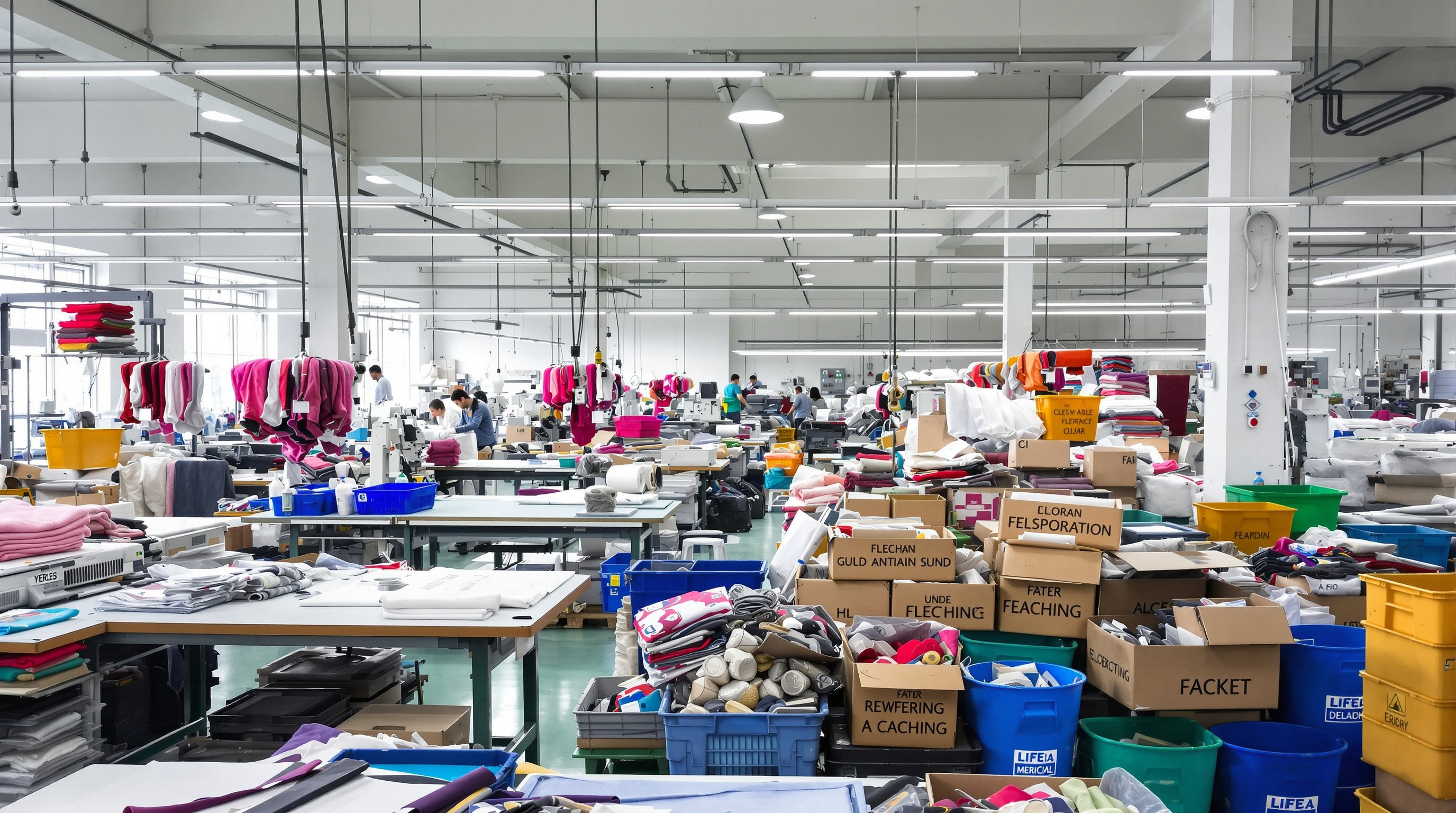
Egypt occupies a distinctive position in the global textile landscape. Home to some of the world's finest long-staple cotton and a substantial garment manufacturing base centred around greater Cairo and the Delta industrial zones, Egypt is simultaneously a significant producer of high-quality raw textile inputs and a generator of valuable post-production waste. Our field-based mapping programme, conducted across 34 factories over six months, produced the most detailed picture yet of Egypt's textile waste economy.
The results revealed a highly heterogeneous waste landscape. Egyptian garment factories producing for European and North American markets generate predominantly cotton-rich cutting waste — a high-value feedstock for mechanical recyclers. However, the co-mingling of different fibre types in informal waste collection systems significantly degrades the value of these materials before they reach sorting facilities. Separating fibre types at the point of generation represents a straightforward intervention with high commercial impact.
Particularly striking was the volume of denim offcuts generated in Egypt's extensive denim manufacturing cluster. Denim cutting waste — high in cotton content, easily sortable, and in strong demand from recycled yarn producers — is currently collected informally and sold at commodity prices with no documentation of origin or quality. A basic sorting and documentation protocol would unlock significantly higher pricing for the same material.
The mapping also revealed a nascent but growing local recycling sector. Several Egyptian entrepreneurs have invested in basic shredding and garnetted fibre equipment, primarily supplying insulation and stuffing material markets. With access to better-sorted feedstock and connections to international buyers of recycled cotton yarn, these operations have a credible pathway to upgrading their output quality and markets.
Egypt's geographic proximity to European buyers, combined with strong cotton fibre quality and an emerging recycling sector, creates favourable conditions for building a circular textile supply chain. The key requirement is digital infrastructure: systems that document waste origin, fibre composition, and chain of custody from factory floor to recycler intake.